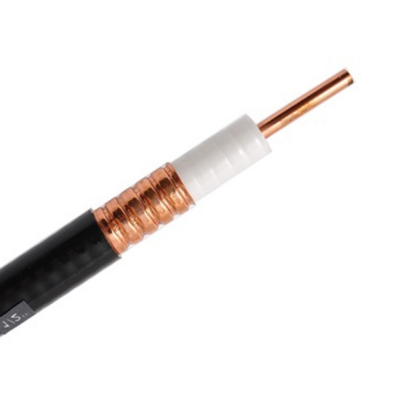
The RG316 Coaxial Extension Cable is a commercial-grade, high-integrity radio frequency (RF) jumper assembly engineered to bridge critical physical infrastructure links between high-frequency communication modules, measurement instruments, external antenna ports, and distribution networks. Measuring exactly 50 cm in length, this thin, ultra-flexible coaxial line is optimized to provide a low-attenuation signal pathway in complex, high-density space configurations. It stands as an essential utility asset for telecommunication repair benches, radio frequency (RF) engineering laboratories, commercial wireless fleet deployment units, and specialized B2B component wholesale distribution channels.
Built to sustain continuous service without signal degradation under wide temperature fluctuations, the cable architecture utilizes a premium, heat-resistant PTFE dielectric and a high-density silver-plated copper braided shield. This hybrid connection layout delivers an exceptionally secure, vibration-proof interface that effectively minimizes insertion loss and mitigates voltage standing wave ratio (VSWR) spikes across VHF, UHF, and microwave applications.
SPECIFICATIONS & VERIFIED INFRASTRUCTURE FEATURES:
• Component Type: Professional High-Flexibility RF Coaxial Jumper Interconnection Cable
• Coaxial Cable Standard: Heavy-duty, high-temperature RG-316 with a translucent protective jacket
• Interface Connector Side A: Precision-threaded gold-plated SMA-Male (M) plug
• Interface Connector Side B: Precision-milled nickel-plated N-Female (F) jack with gold-plated center pin
• Total Physical Extension Length: 50 cm (19.68 Inches / 0.5 Meters)
• System Nominal Impedance: 50 Ohms
• Cable Dielectric & Jacket Material: High-grade PTFE insulation offering extreme thermal and mechanical resilience
• Mechanical Protection: Pre-fit with a black heat-shrink sleeve for robust strain-relief at the SMA junction
• Application: Perfect for adapting handheld test gear to heavy N-type infrastructure cables, jumpering internal RF enclosures, setting up micro-cell wireless nodes, outfitting specialized electronic workbenches, and maintaining stable stock lines for industrial telecommunication and hardware wholesale distribution.