Do I Need a License to Use Walkie-Talkies? A Guide for Businesses Before Buying

If your company is considering implementing radio communication systems, one of the first questions is likely to be: Do I need a license to use walkie-talkies?
The answer is: It depends on the type of walkie-talkie you use.
There are essentially two types of walkie-talkies: license-free models, known as PMR-446, which can be used without a license, and professional walkie-talkies, also referred to as commercial radios, which require authorization to operate outside license-free frequencies.
Choosing the right equipment is important, as it will directly affect:
- coverage
- communication quality
- system reliability
- future scalability
Regulations: European or global?
Radio frequency regulation is not exactly global. Each country has its own regulations, although in Europe much of the framework is harmonized.
The best-known standard in Europe for license-free walkie-talkie use is PMR446. These devices can be used without a license, provided they meet certain technical requirements:
- Frequency range: between 446.000 and 446.200 MHz
- Maximum power output: 0.5 W
- Fixed, non-removable antenna
- Certified and approved equipment
If a device does not meet these conditions, it is generally considered professional radio equipment and may require a license (Option 2).
Option 1: License-Free Walkie-Talkies
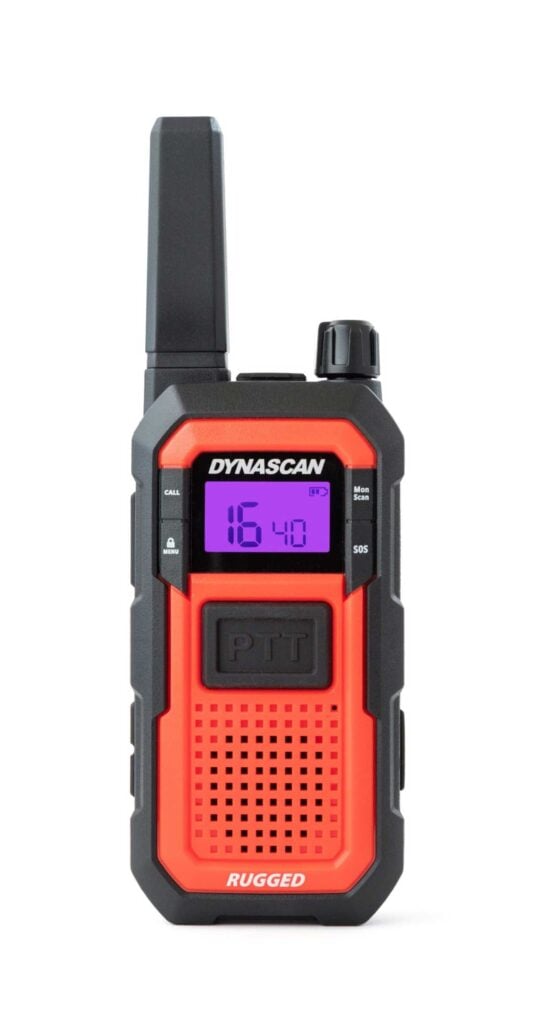
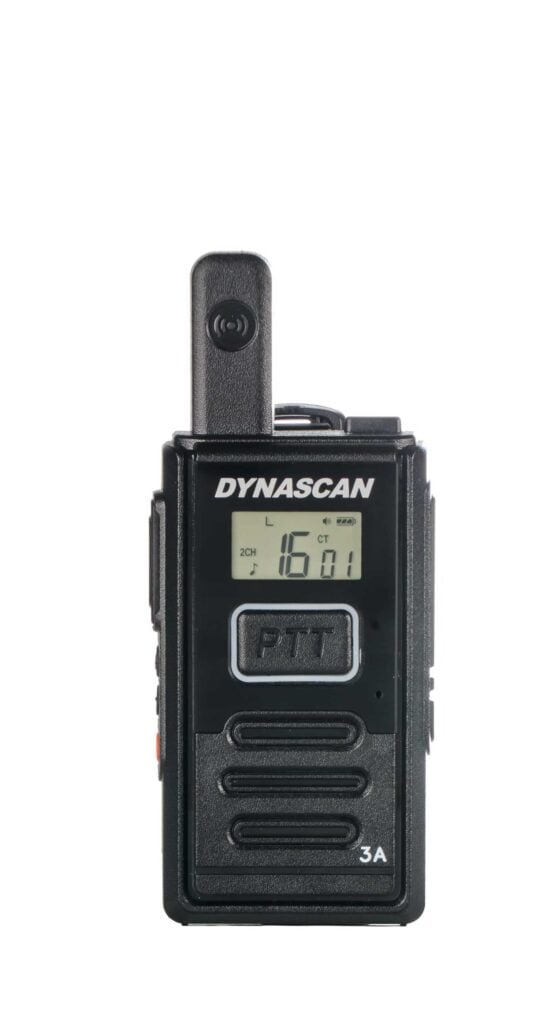
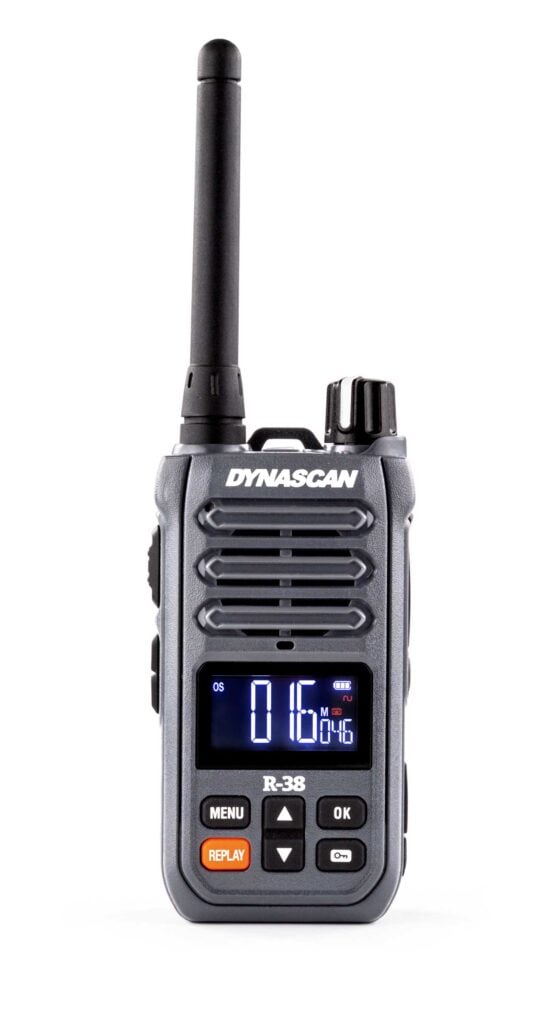
License-free walkie-talkies are the simplest option: buy, switch on, and use.
They are commonly used by all types of users who need fast and basic communication.
Advantages
- Lower cost → ideal for retail, hospitality, events, or small warehouses.
- Immediate deployment → no administrative procedures required.
- Ease of use → designed for non-technical users.
Disadvantages
- Limited coverage, especially in environments with multiple walls, metal structures, or basements.
- Shared frequencies, with a risk of interference from other users, although this can be minimized through proper radio programming by a professional.
- Lower scalability as operations grow, since all users share the same channels.
Option 2: Licensed Walkie-Talkies
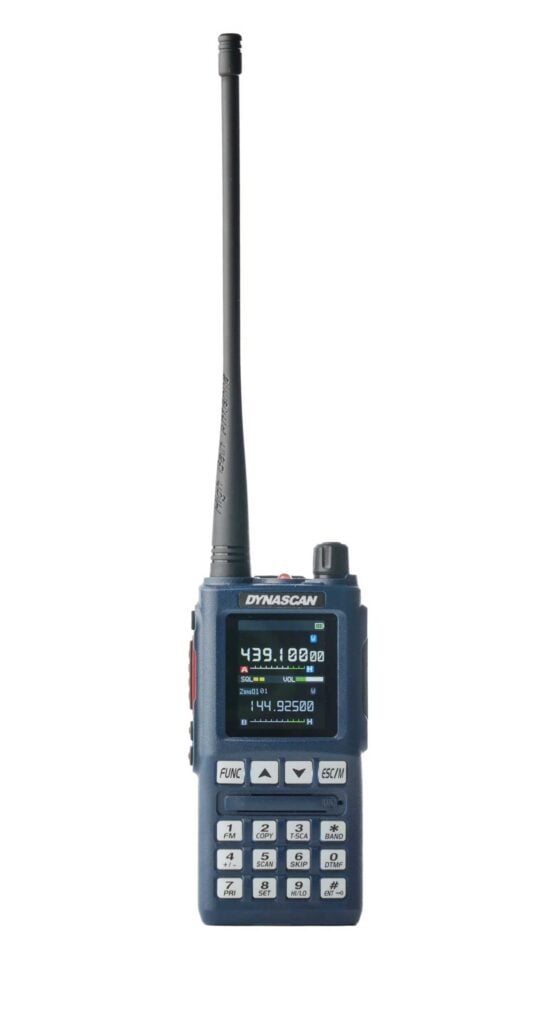
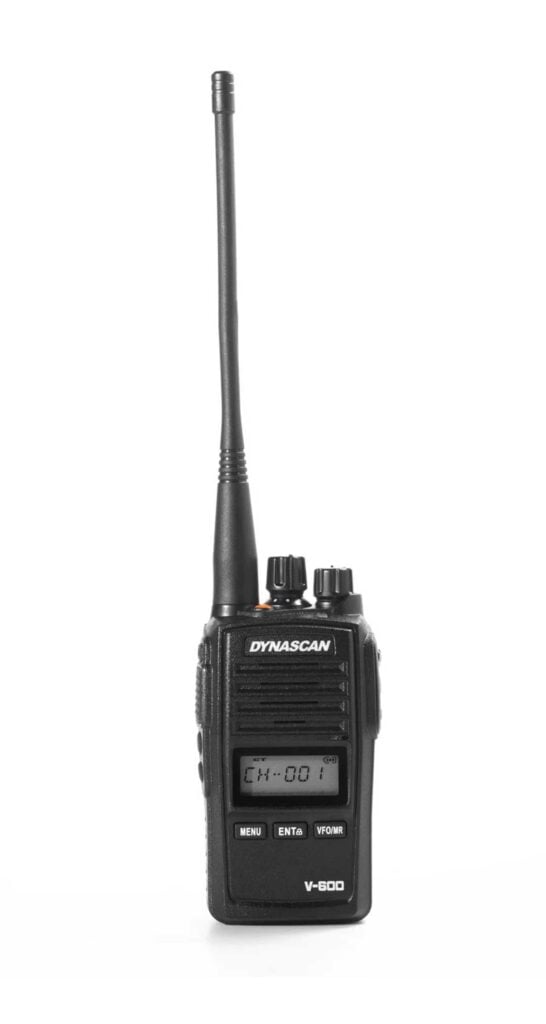
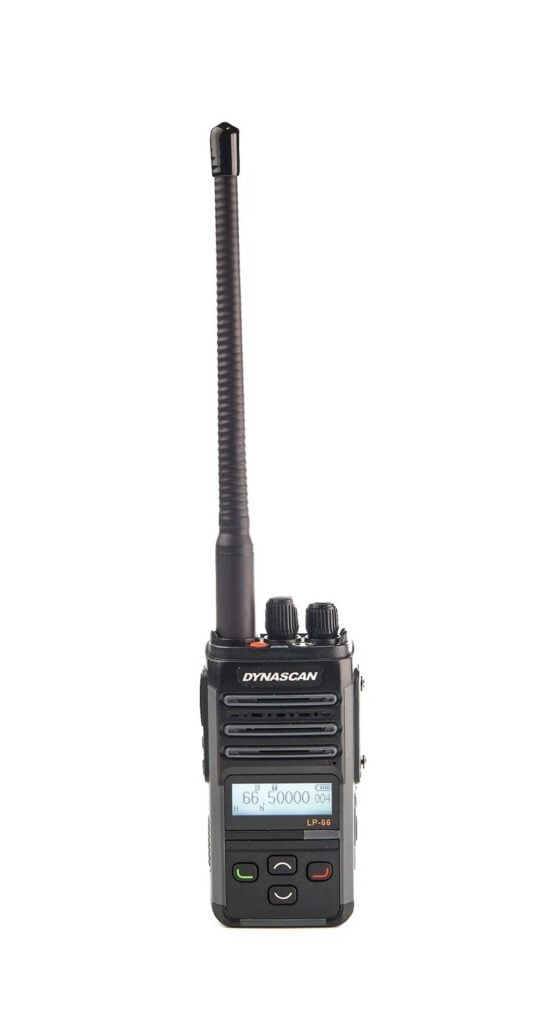
Licensed walkie-talkies are designed for intensive professional use. They require administrative authorization to operate on assigned frequencies and are mainly used in sectors such as:
- security
- industry
- logistics
- construction
- ports
- airports
Advantages
- Greater coverage: thanks to higher transmission power (up to 10W), better antennas, or the ability to connect to repeaters.
- Less interference: as they operate on dedicated assigned frequencies.
- More advanced features: especially with digital radios, such as workgroups, private calls, GPS tracking, or software integration, among others.
Disadvantages
- Higher initial investment.
- Greater technical complexity, meaning professional assistance for setup and integration is usually required.
How much does a license cost?
There is no fixed price, as costs depend on coverage requirements, frequency allocation, and the complexity of the installation.
As a general reference in Spain:
- License / initial administrative procedures: approx. €100–300
- Annual spectrum usage fees: approx. €150–1,500 per year
- Additional infrastructure (repeaters, antennas, installation): from €500 to several thousand euros
Although it requires a higher upfront investment, for critical operations it usually pays off quickly.
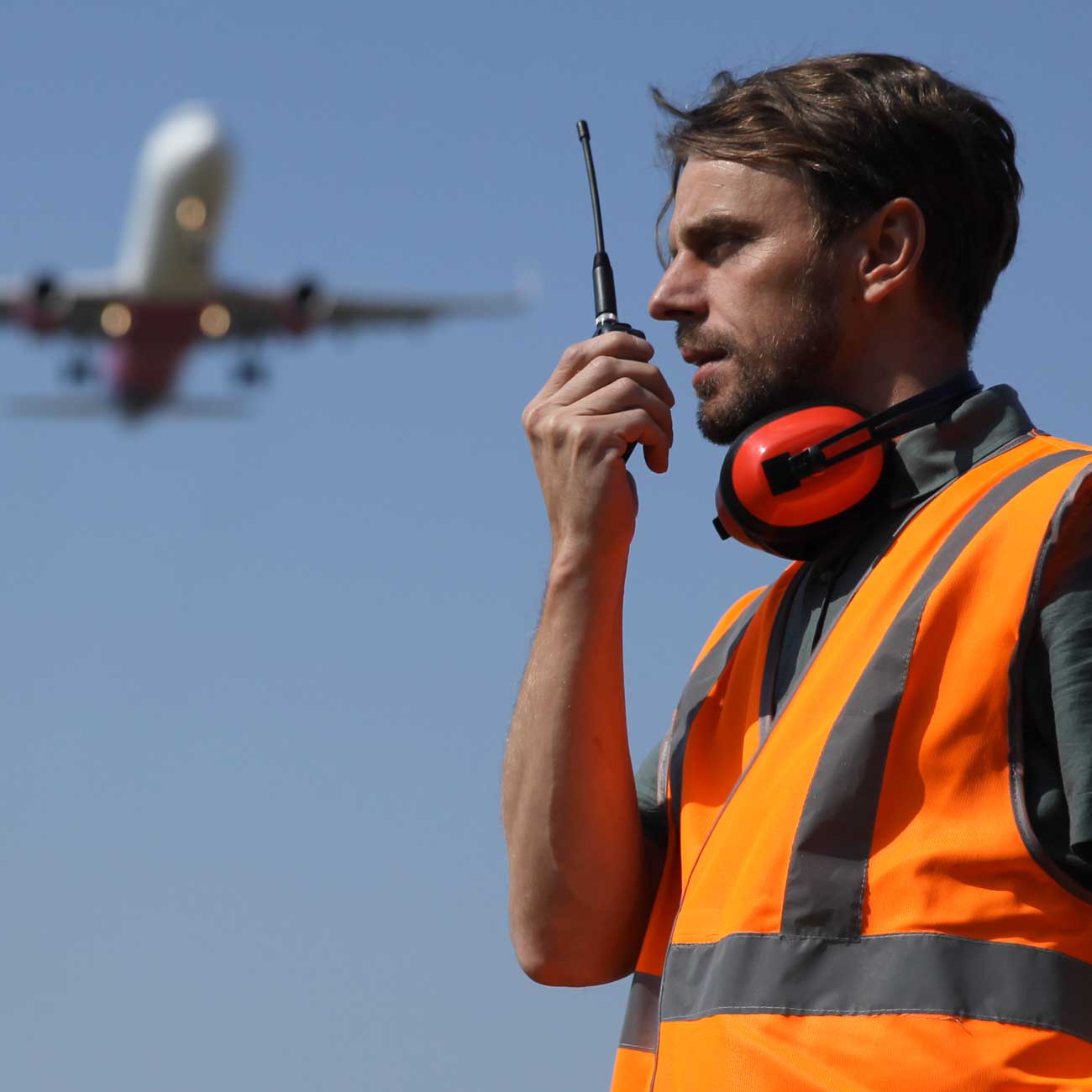
So, Which Type of Walkie-Talkie Should You Choose for Your Business?
The question should not simply be: “Do I need a license?”
That completely changes the decision.
The right question is: “What level of reliability does my operation require?”
Which Walkie-Talkie Should You Choose?
License-free (PMR446 type) if…
Your business needs:
- short-range communication
- few users
- non-critical communication
- fast deployment
Perfect for simple environments.
Licensed (commercial type) if…
Your business needs:
- wide coverage
- high reliability
- multiple zones
- mission-critical communication
In this case, it is advisable to rely on a professional who can properly assess your needs and design a tailored solution.
Final Recommendation
Before buying a walkie-talkie, analyze:
- the area to be covered
- physical obstacles
- number of users
- how critical communication is
- future needs
Because a business is not really just buying walkie-talkies. It is investing in something far more important: coordination, safety, and operational continuity.
If you still have doubts and are unsure whether your business needs license-free or licensed walkie-talkies, seek professional advice before making a decision.